GRIDCON® STATCOM MMC
Modular Reactive Power Compensation and Voltage Stabilization
The GRIDCON® STATCOM MMC is a modular STATCOM solution for highly dynamic reactive power compensation and voltage stabilization in industrial and infrastructure applications. The system responds to load changes within milliseconds, reduces harmonics, and sustainably improves power quality. Thanks to its containerized design, flexible scalability, and rapid commissioning, it can be efficiently integrated into a wide variety of applications.




Your Advantages at a Glance
-
Compact
Power electronics, cooling, and control systems are compactly integrated into an ISO container, while additional components are installed externally and connected by cable.
-
Flexible
Modular design for 6–33 kV and 18–100 Mvar; adaptable and expandable for various industrial and energy applications.
-
Fast
Response times in the millisecond range for stabilization during voltage sags, flicker, and dynamic loads.
-
Efficient
State-of-the-art power electronics without filter circuits ensure low losses and precise, continuous reactive power control.
-
High-Performance
Reduces harmonics, improves power quality, and stabilizes sensitive equipment.
-
Reliable
Critical system components are designed with redundancy to prevent unintended outages.
Product Information
The GRIDCON® STATCOM MMC uses a Modular Multilevel Converter (MMC) consisting of numerous individually controllable submodules in a Single Delta Bridge Cell (SDBC) topology. These submodules are based on the full-bridge topology, enabling each module to generate three voltage levels (positive, negative, zero). Intelligent control of the modules produces a nearly sinusoidal current. This enables the STATCOM to supply or absorb reactive power continuously and as needed.
In addition, MMC technology enables direct connection to the medium-voltage grid without an additional transformer, thereby reducing losses and increasing overall efficiency.
The system thus stabilizes voltages in the millisecond range, specifically compensates for harmonics, and supports the grid operator with precise, low-loss control. Water cooling enables a high packing density of the power electronics and ensures reliable continuous operation—even under demanding industrial conditions.
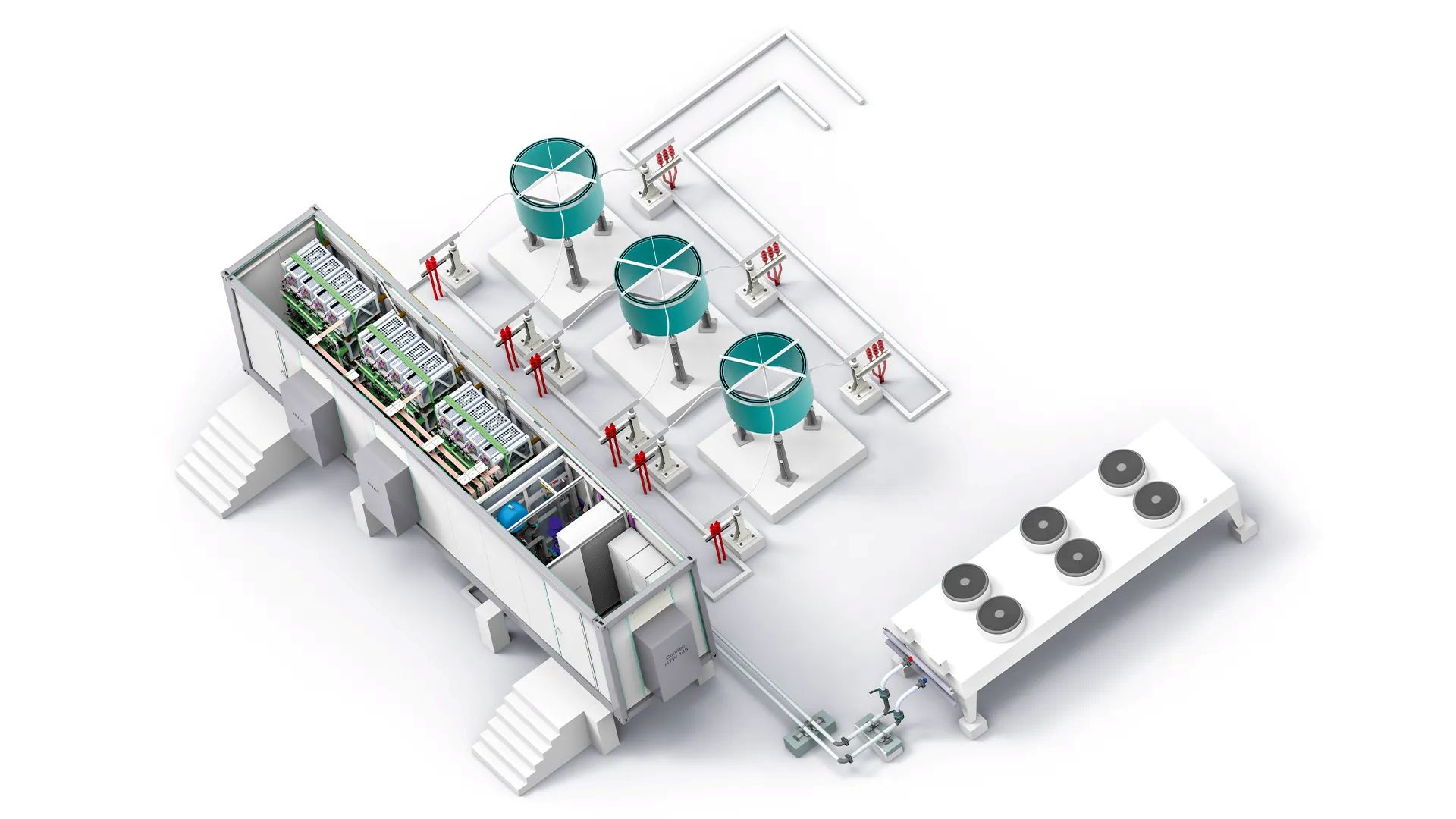
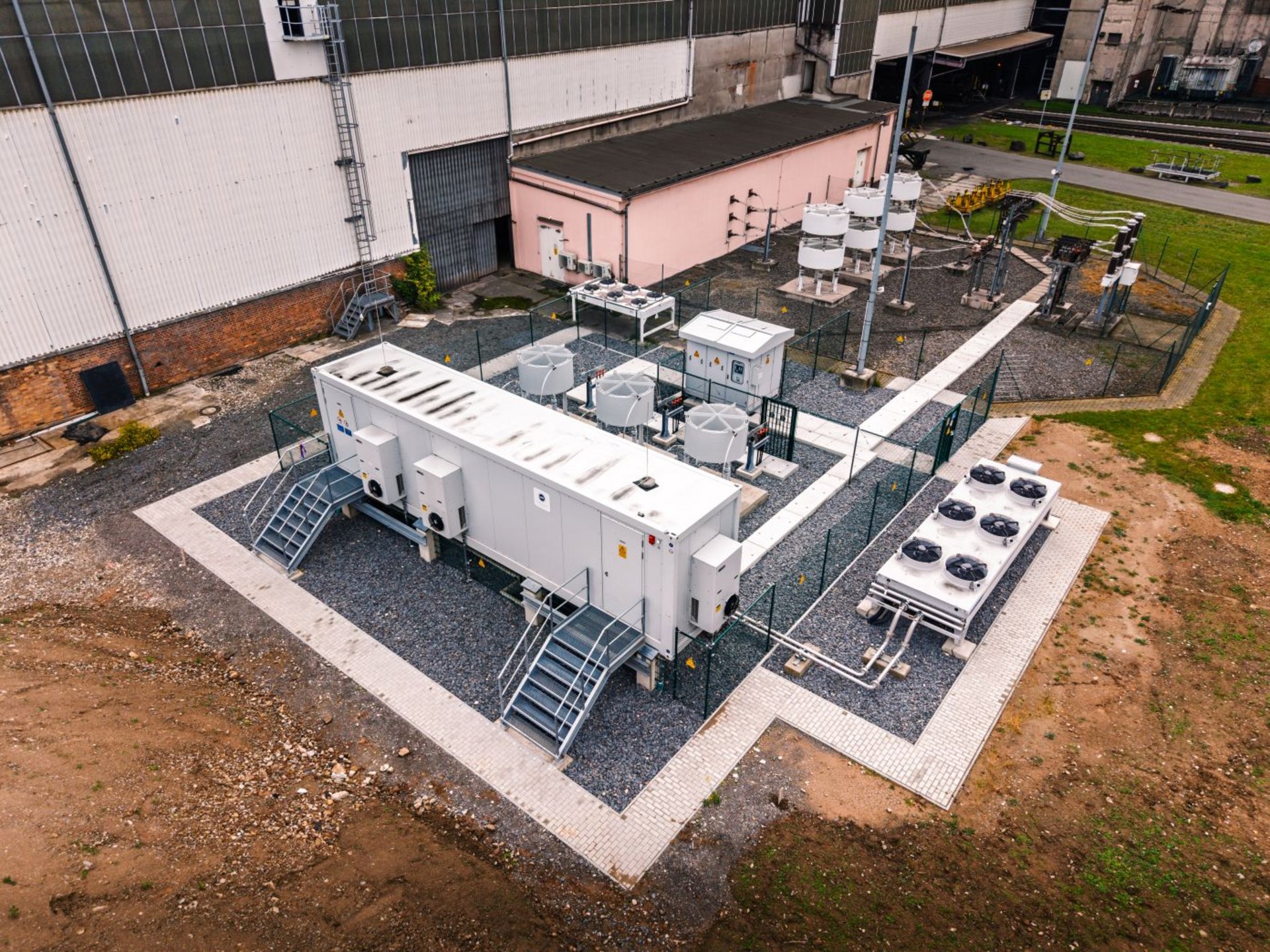
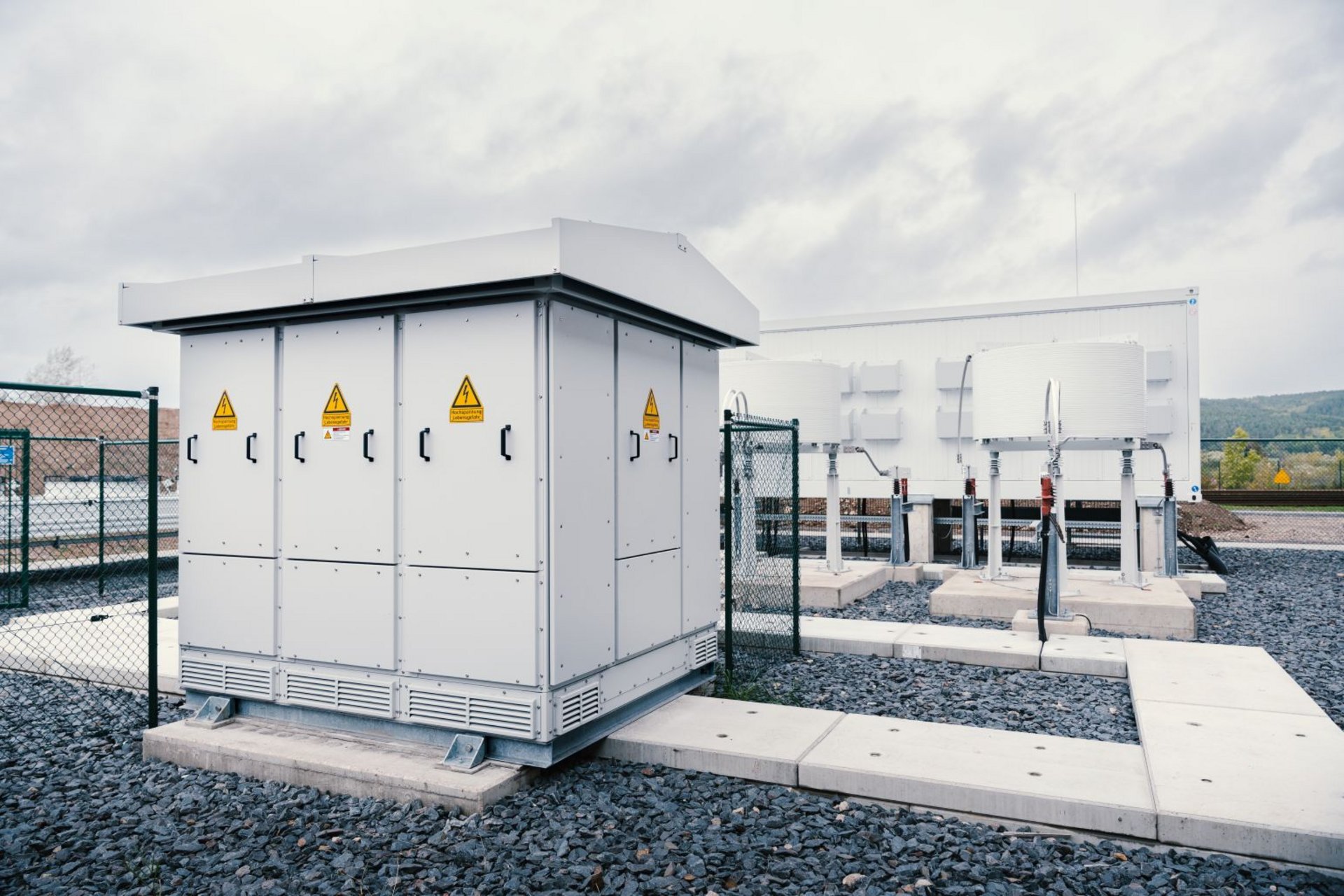
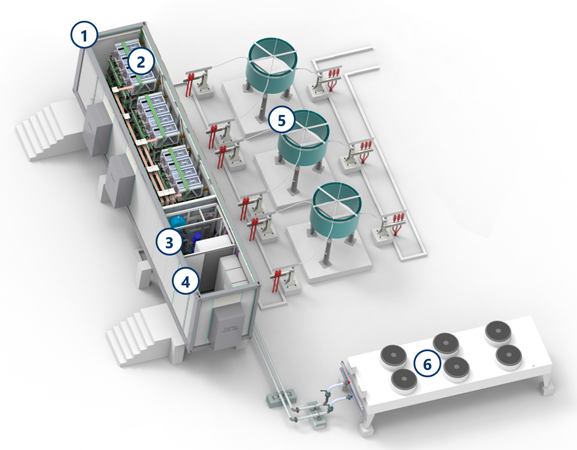
Depending on the power rating and voltage level, the complete STATCOM is integrated into one or more 40-ft ISO containers and includes all essential system components:
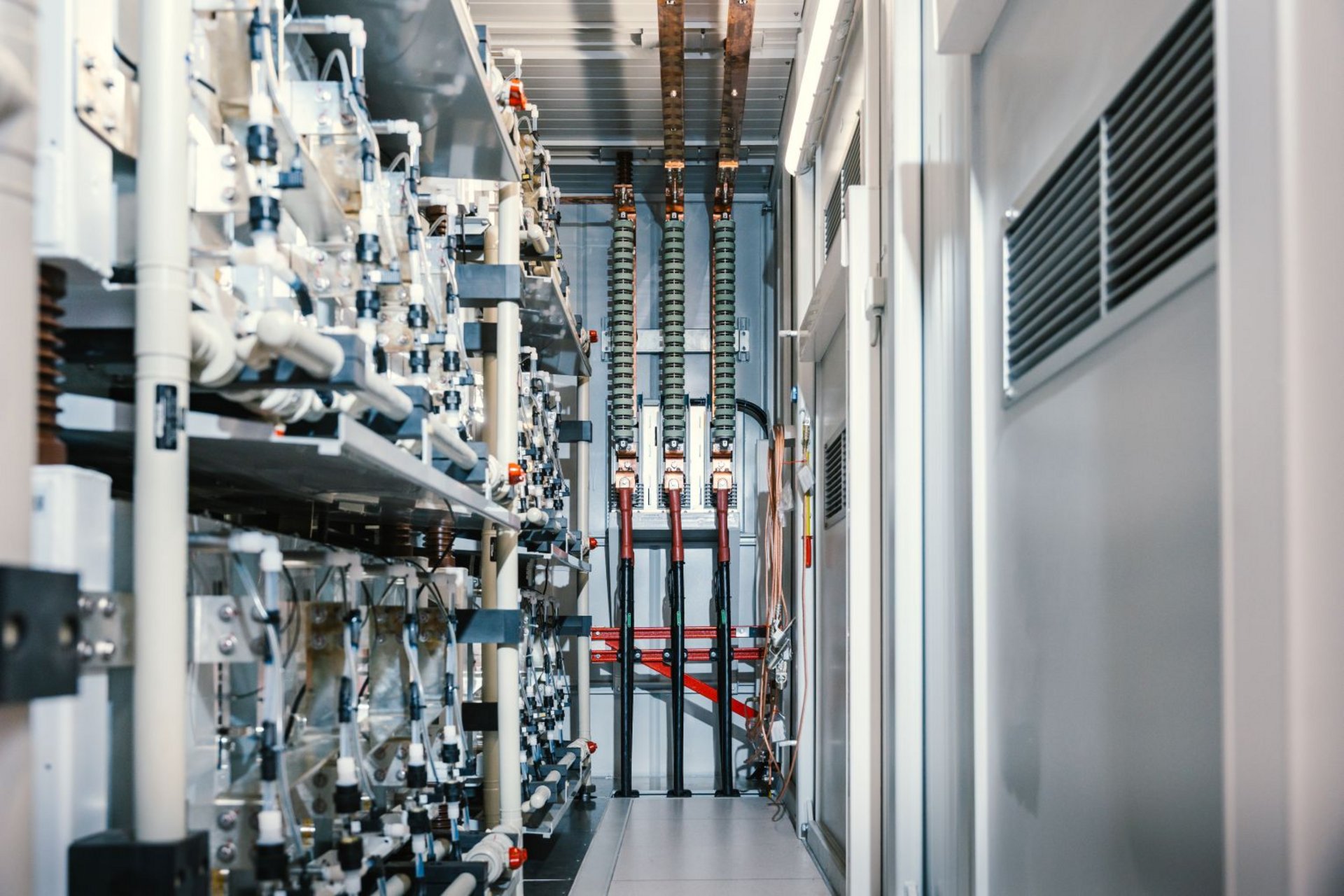
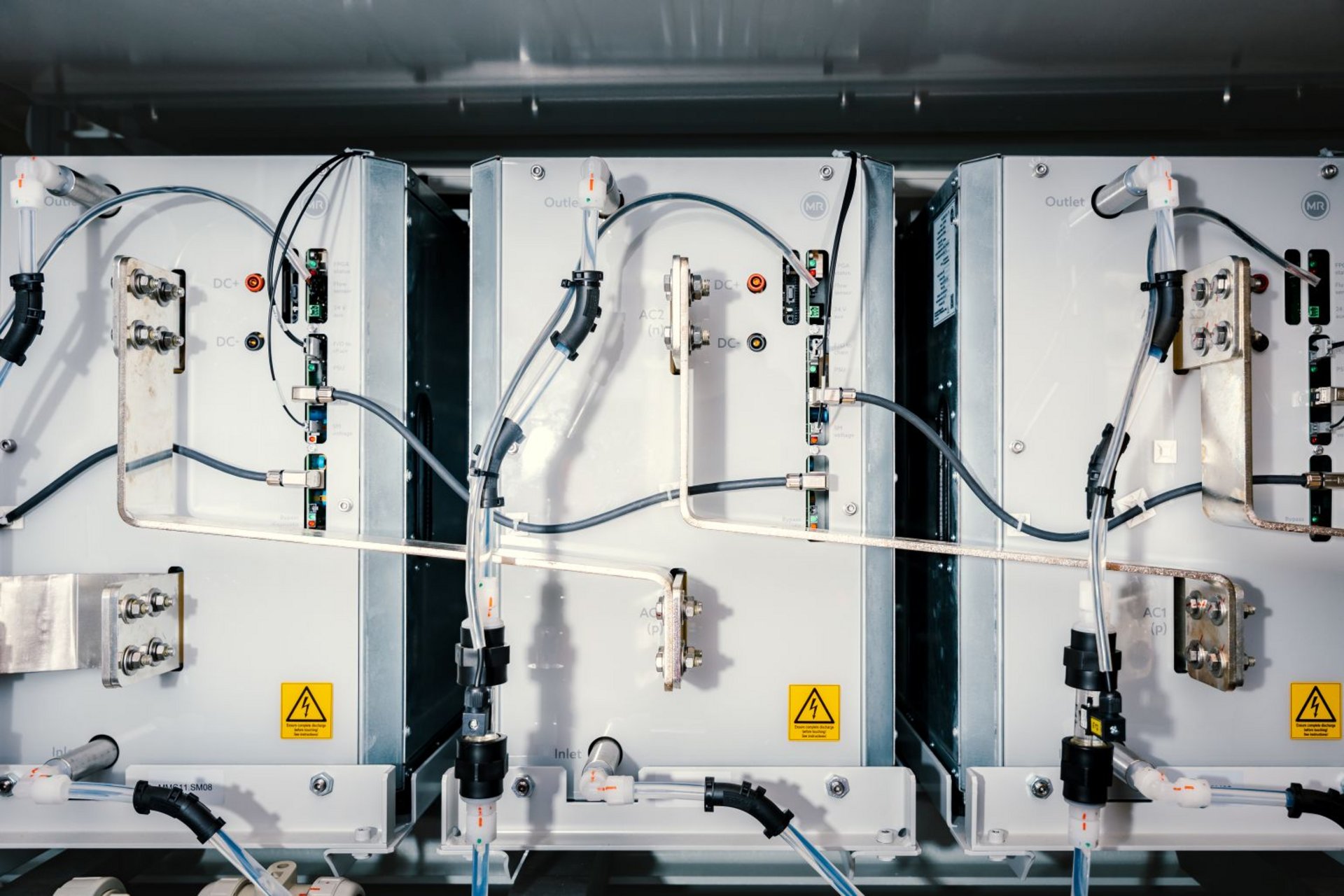
- Valve Room (MMC Racks): Houses the submodules that generate the output current. They form the heart of the power electronics.
- Cooling Room: A high-performance, redundant water-cooling system maintains a stable operating temperature and extends the service life of the components.
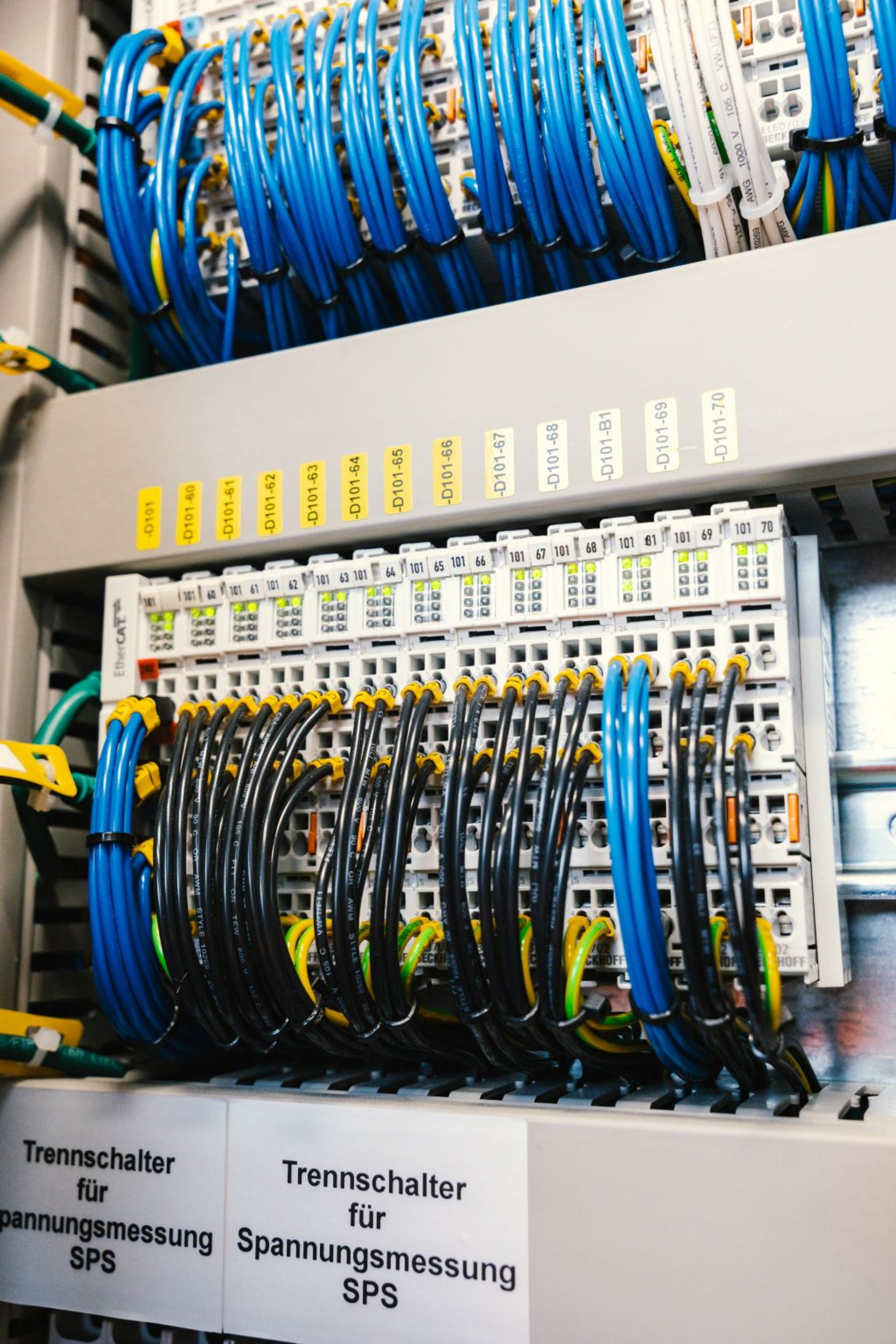
- Control room: Contains control and protection technology, control cabinets, and the HMI system for parameterization, visualization, and monitoring.
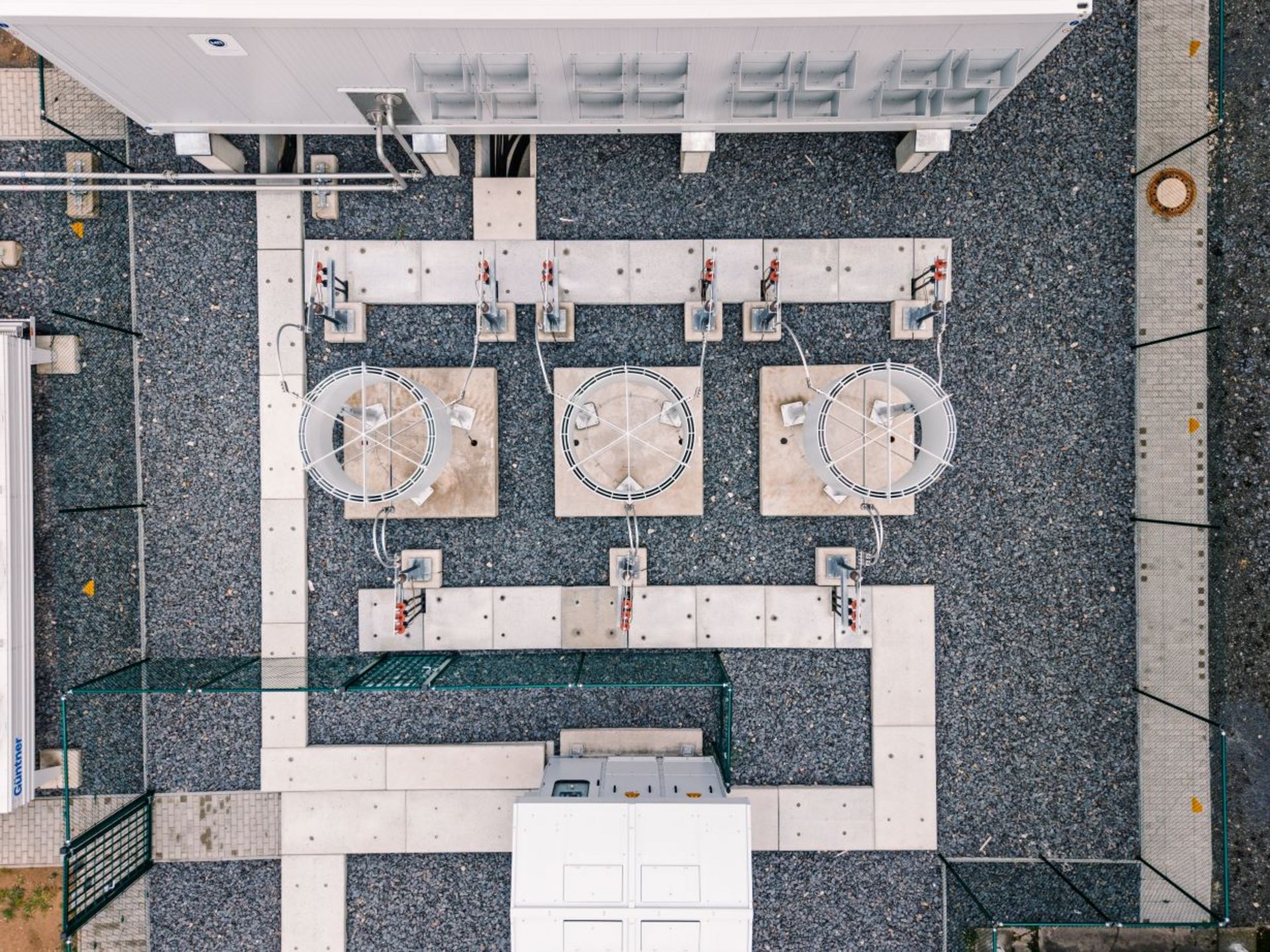
- Branch chokes: Establish the connection to the grid, smooth out the currents, and reduce harmonics.
- Recooler: Efficiently dissipates the heat generated by the system into the environment. All components form a pre-tested, ready-to-connect complete system that can be installed quickly and combines high performance with a compact design.
- Customizable: The system can be flexibly integrated into various plant designs and adapted to project-specific requirements.
- E-House based (40 ft ISO-Containers, CSC certified)
- Valve room with MMC-Racks
- Cooling room with water cooling station
- Control room
- Reactors
- Cooling module, one for up to 36 kV
→ Direct connection to the grid, no transformer
→ Power range up to 36 kV and ±100 MVar
→ For industries and municipal applications
Modular Multilevel Converter (MMC):
The central component of the STATCOM system, developed and manufactured in Regensburg. Generates a nearly sinusoidal current through the coordinated interaction of the modules.
Valve Room
Contains the power electronics; enables precise reactive power control.
Integrated Converter Operating System (ICOS)
Central platform for system control, grid regulation, and operation, developed and tested in Erfurt. Implements all control functions to ensure safe operation of the entire system tailored to customer needs.
Cooling system:
Water cooling for high power density and long service life.
Control Room
Contains the auxiliary power supply, the control and regulation components, and a fire alarm control panel.
Branch chokes
Filter harmonics and limit current flows between the MMC and the grid.
ISO container solution:
12.19 m long, 2.43 m wide, 3.24 m high; pre-tested, transportable, and can be set up and installed within a few days.
Industrial Plants
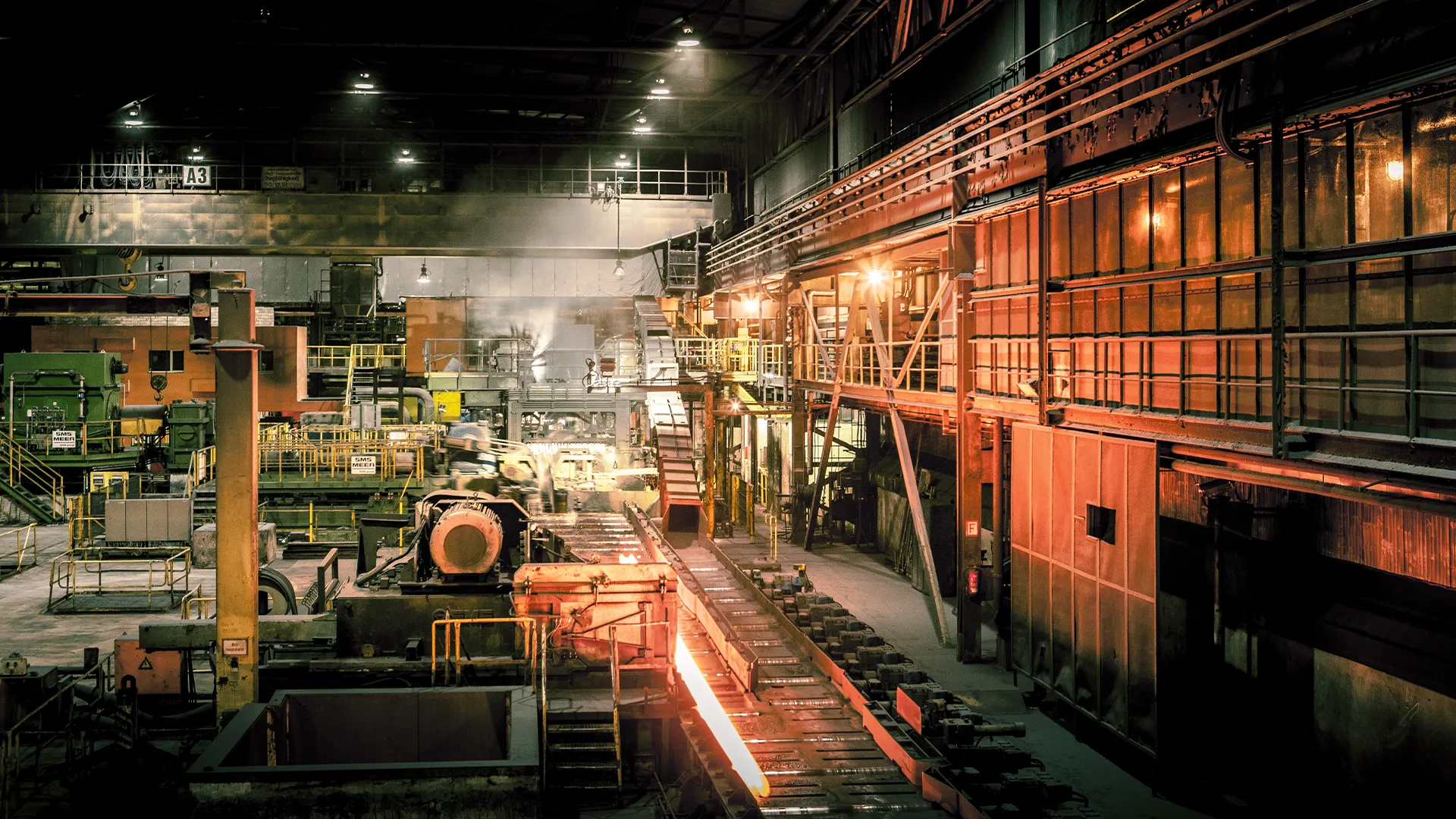
- Steel mills with dynamic rolling mill drives
- Electrolyzers (e.g., for hydrogen production)
- Mining (long power lines, high reactive power requirements)
- High-power drive and converter systems
Infrastructure
- Data centers with high demands on power quality
- Traction power supply and electric transportation systems
General power quality requirements
- Reactive power compensation (capacitive/inductive)
- Voltage regulation and stabilization
- Harmonic reduction
| Electrical Data | Um=12 kV | Um=24 kV | Um=36 kV |
| Nominal Voltage Unom | 11 kV | 22 kV | 33 kV |
| Maximum Continuous Operating Voltage | 1.1 pu | ||
| Maximum Short Time Overvoltage | 1.3 pu for 3 sec. | ||
| Nominal Frequency | 50/60 Hz | ||
| Nominal Current | 1000 A | ||
| Current Overload Capability | 1.1 pu. at 1.1 pu voltage continuously // 1.5 pu at 1.0 pu voltage for 3 sec. | ||
| Nominal Power | 33 Mvar | 66 Mvar | 99 Mvar |
| Number of Submodules per Phase Leg | 3x 12 (total 36) | 3x 24 (total 72) | 3x 36 (total 108) |
| Rated Losses | 299 kW (~0.9%) | 598 kW (~0.9%) | 896 kW (~ 0.9%) |
| Cooling System | 1-circuit with redundant pumps / de-ionized water / water-water heat exchanger | ||
| Control System | FPGA based Valve Control / Industrial PC based Application Control (CONTROL IPC) | ||
| Vizualisation (HMI) | Industrial PC based HMI-Server for Parameterization and Monitoring (HMI IPC) | ||
| SCADA Communication | Modbus TCP (optional: IEC61850) | ||
| Control Modes | VREF (voltage control), PFREF (power factor control), QREF (fixed reactive power support) | ||
| Harmonic Current Control | HCC, up to 4 Harmonics selectable (e.g. 5th, 7th, 11th, 13th), total/individual control | ||
| Control Modes, combined | PFREF+submode VREF, PFREF+submode HCC | ||
| Fault Ride Through / LVRT (without PWM blocking) | project specific to be defined | ||
The GRIDCON® STATCOM MMC uses a Modular Multilevel Converter (MMC) consisting of numerous individually controllable submodules in a Single Delta Bridge Cell (SDBC) topology. These submodules are based on the full-bridge topology, enabling each module to generate three voltage levels (positive, negative, zero). Intelligent control of the modules produces a nearly sinusoidal current. This enables the STATCOM to supply or absorb reactive power continuously and as needed.
In addition, MMC technology enables direct connection to the medium-voltage grid without an additional transformer, thereby reducing losses and increasing overall efficiency.
The system thus stabilizes voltages in the millisecond range, specifically compensates for harmonics, and supports the grid operator with precise, low-loss control. Water cooling enables a high packing density of the power electronics and ensures reliable continuous operation—even under demanding industrial conditions.
Depending on the power rating and voltage level, the complete STATCOM is integrated into one or more 40-ft ISO containers and includes all essential system components:
- Valve Room (MMC Racks): Houses the submodules that generate the output current. They form the heart of the power electronics.
- Cooling Room: A high-performance, redundant water-cooling system maintains a stable operating temperature and extends the service life of the components.
- Control room: Contains control and protection technology, control cabinets, and the HMI system for parameterization, visualization, and monitoring.
- Branch chokes: Establish the connection to the grid, smooth out the currents, and reduce harmonics.
- Recooler: Efficiently dissipates the heat generated by the system into the environment. All components form a pre-tested, ready-to-connect complete system that can be installed quickly and combines high performance with a compact design.
- Customizable: The system can be flexibly integrated into various plant designs and adapted to project-specific requirements.
- E-House based (40 ft ISO-Containers, CSC certified)
- Valve room with MMC-Racks
- Cooling room with water cooling station
- Control room
- Reactors
- Cooling module, one for up to 36 kV
→ Direct connection to the grid, no transformer
→ Power range up to 36 kV and ±100 MVar
→ For industries and municipal applications
Modular Multilevel Converter (MMC):
The central component of the STATCOM system, developed and manufactured in Regensburg. Generates a nearly sinusoidal current through the coordinated interaction of the modules.
Valve Room
Contains the power electronics; enables precise reactive power control.
Integrated Converter Operating System (ICOS)
Central platform for system control, grid regulation, and operation, developed and tested in Erfurt. Implements all control functions to ensure safe operation of the entire system tailored to customer needs.
Cooling system:
Water cooling for high power density and long service life.
Control Room
Contains the auxiliary power supply, the control and regulation components, and a fire alarm control panel.
Branch chokes
Filter harmonics and limit current flows between the MMC and the grid.
ISO container solution:
12.19 m long, 2.43 m wide, 3.24 m high; pre-tested, transportable, and can be set up and installed within a few days.
Industrial Plants
- Steel mills with dynamic rolling mill drives
- Electrolyzers (e.g., for hydrogen production)
- Mining (long power lines, high reactive power requirements)
- High-power drive and converter systems
Infrastructure
- Data centers with high demands on power quality
- Traction power supply and electric transportation systems
General power quality requirements
- Reactive power compensation (capacitive/inductive)
- Voltage regulation and stabilization
- Harmonic reduction
| Electrical Data | Um=12 kV | Um=24 kV | Um=36 kV |
| Nominal Voltage Unom | 11 kV | 22 kV | 33 kV |
| Maximum Continuous Operating Voltage | 1.1 pu | ||
| Maximum Short Time Overvoltage | 1.3 pu for 3 sec. | ||
| Nominal Frequency | 50/60 Hz | ||
| Nominal Current | 1000 A | ||
| Current Overload Capability | 1.1 pu. at 1.1 pu voltage continuously // 1.5 pu at 1.0 pu voltage for 3 sec. | ||
| Nominal Power | 33 Mvar | 66 Mvar | 99 Mvar |
| Number of Submodules per Phase Leg | 3x 12 (total 36) | 3x 24 (total 72) | 3x 36 (total 108) |
| Rated Losses | 299 kW (~0.9%) | 598 kW (~0.9%) | 896 kW (~ 0.9%) |
| Cooling System | 1-circuit with redundant pumps / de-ionized water / water-water heat exchanger | ||
| Control System | FPGA based Valve Control / Industrial PC based Application Control (CONTROL IPC) | ||
| Vizualisation (HMI) | Industrial PC based HMI-Server for Parameterization and Monitoring (HMI IPC) | ||
| SCADA Communication | Modbus TCP (optional: IEC61850) | ||
| Control Modes | VREF (voltage control), PFREF (power factor control), QREF (fixed reactive power support) | ||
| Harmonic Current Control | HCC, up to 4 Harmonics selectable (e.g. 5th, 7th, 11th, 13th), total/individual control | ||
| Control Modes, combined | PFREF+submode VREF, PFREF+submode HCC | ||
| Fault Ride Through / LVRT (without PWM blocking) | project specific to be defined | ||